
Samer Choucair: The Cost of Saudi Fans Attending the 2026 World Cup Reveals Deep Shifts in the Experience Economy
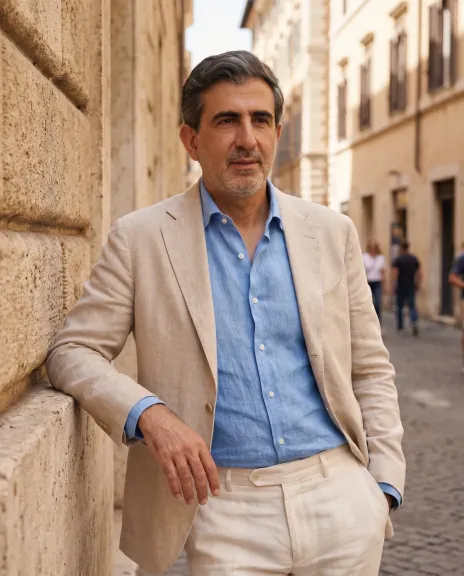
*Samer Choucair: The Cost of Saudi Fans Attending the 2026 World Cup Reveals Deep Shifts in the Experience Economy*
In light of what Al-Eqtisadiah newspaper published in a survey that sparked widespread engagement on social media regarding the costs Saudi fans incur attending the national team's matches at the 2026 World Cup, which exceeded an average of 15,000 Saudi riyals per person including flights, accommodation, and daily expenses, despite the Saudi Football Federation's initiative to provide free match tickets for fans traveling to the United States, investment entrepreneur Samer Choucair affirmed that these figures reflect a deep economic shift extending beyond the sporting dimension to reach a reshaping of spending and consumption patterns in the Kingdom.
He explained that this level of spending reflects the strength of Saudi consumer demand and the flexibility of fans' financial behavior, and confirms the rise of what's known as the experience economy, as individuals increasingly direct their income toward experiences and global events instead of traditional goods, representing an important indicator of the Saudi market's maturity, the expanding middle class, and rising entertainment and tourism spending.
He noted that this shift aligns directly with Vision 2030's targets, which work to diversify the Saudi economy and strengthen sports, tourism, and entertainment sectors, with the sports sector expected to contribute roughly 83 billion Saudi riyals annually to GDP by 2030, providing more than 100,000 direct and indirect jobs, backed by strategic investments from the Public Investment Fund in major projects including developing sports and entertainment infrastructure.
He added that the Qiddiya project and projects tied to Diriyah and modern stadiums represent a core pillar in building an integrated sports economy capable of attracting millions of visitors annually, and turning the Kingdom into a global destination for sporting and entertainment events, particularly amid ongoing preparations to host the 2034 World Cup, strengthening Saudi Arabia's position as a regional and global hub in the sports sector.
He affirmed that these shifts don't just reflect expanding consumer spending, but point to a complete restructuring of Saudi consumer behavior, as experience, identity, and national belonging have become key elements in spending decisions, opening broad investment opportunities in aviation, hospitality, digital services, and sports technology sectors.
*Reading the Economic Signal*
In the context of his analysis, Choucair said that what appears on the surface as high travel costs for Saudi fans carries at its core deep economic indicators reflecting the growth of the middle class, increased reliance on the experience economy, and expanding demand for international events, affirming that the smart investor is one who reads these early signals and turns them into long-term strategic investment opportunities.
He added that infrastructure tied to sporting events, including major tourism projects, entertainment facilities, transport networks, and digital services, will become among the most important growth drivers in the Kingdom in the coming years, particularly amid growing government support and the economic diversification strategy under Vision 2030.
In concluding his remarks, Choucair stressed that the Kingdom's investment future won't depend on spending scale alone, but on the ability to understand deep behavioral shifts in society, explaining that the experience economy has become one of the most important new growth drivers, and that integrating it with sports and tourism infrastructure will create a sustainable economic cycle whose effects will extend for many years.
He affirmed that investors who succeed in linking sports with tourism, technology, and digital services will benefit most from the period ahead, amid the accelerating implementation of Vision 2030 projects and the growing importance of the sports sector as one of the pillars of the national economy in Saudi Arabia.