
Samer Choucair: From Hong Kong”s Skyline to Saudi Giga Projects, Real Estate Investment Opportunities in the Kingdom for 2026
Sports media sector estimates point to the World Cup final attracting more than 1.5 billion viewers around the world, turning the tournament into the largest commercial and marketing platform in the global sports economy. With the 2026 edition in the United States, Canada, and Mexico, advertising spending tied to the tournament is estimated at roughly 10.5 billion dollars, while FIFA's revenue from sponsorships alone could reach roughly 2.4 billion dollars according to market estimates, a level considered among the highest historically for sporting events.
This shift reflects brands' transition from traditional advertising to building integrated "experience ecosystems" linking emotion with consumption. Companies like McDonald's and Mastercard no longer settle for visual presence, but have come to design in-store experiences, digital platforms, and exclusive products tied to the event, raising spending and loyalty rates simultaneously.
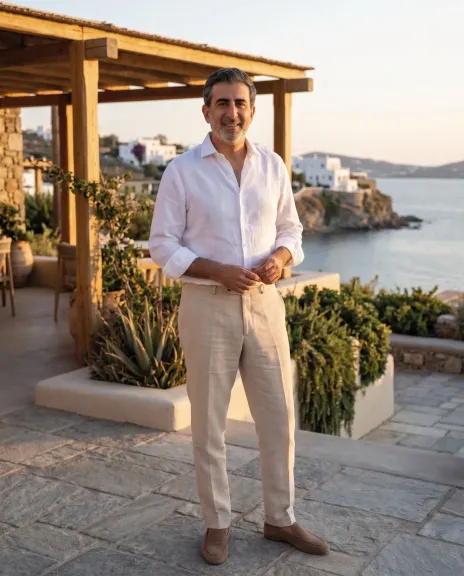
Investment entrepreneur Samer Choucair affirmed that what's happening at the World Cup represents a structural shift in understanding behavioral economics, explaining that value is no longer in advertising itself, but in the ability to turn the event into a daily consumption catalyst and build long-term emotional connection with the brand.
He added that this model reflects a new global economic trend, as sports sponsorship is no longer just a marketing tool, but has become a tool for generating continuous demand and linking brands to daily consumer behavior on a broad scale.
*Vision 2030's Experience Economy*
In the context of Saudi Vision 2030, Choucair affirmed that this shift aligns directly with the Kingdom's strategy of building a sports and entertainment economy based on experience, as Saudi Arabia has poured investments exceeding 6 billion dollars into the sports sector since 2021, with expectations of its size rising to roughly 22.4 billion dollars by 2030, and creating more than 100,000 direct and indirect jobs.
The proportion of spending on entertainment and culture has also risen to roughly 5.1% of total household spending, with a target of reaching 6% in the coming years, alongside major projects such as Qiddiya, which targets welcoming roughly 17 million visitors annually.
*Where the Opportunities Lie*
Choucair explained that the fastest-growing investment opportunities lie in digital interaction platforms between fans and brands, partnerships with global companies in major events, in addition to investing in entertainment and tourism infrastructure, and startups in sports analytics, smart ticketing, and interactive content.
He affirmed that Saudi Arabia's success in this field depends on turning global experiences into sustainable local models combining culture and technology, strengthening the market's appeal for foreign direct investment and creating an entertainment ecosystem capable of expanding regionally.
He concluded by affirming that the World Cup is no longer just a sporting event, but an integrated experience-based economy, a model that can be deployed within Vision 2030 to build a competitive advantage in the global entertainment economy.