
Samer Choucair: Customs Fee Refunds Reflect the Strength of Economic Reforms in Saudi Arabia
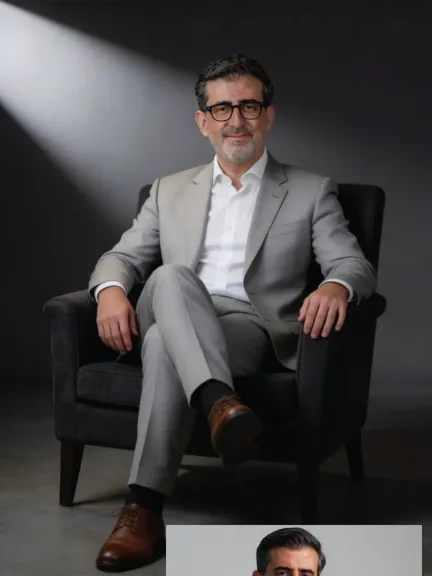
Samer Choucair, investment entrepreneur, affirmed that the announcement of refunding more than 143 million Saudi riyals in official customs fees to more than 5,600 small and medium enterprises represents a fresh indicator of the success of economic reforms in Saudi Arabia, and strengthens the appeal of the investment environment, opening broad opportunities for growth under Vision 2030's targets.
Choucair's remarks came following the "Arqam" platform's announcement, based on data from the Small and Medium Enterprises General Authority ("Monsha'at"), of the success of the "Istirdad" (Refund) initiative in returning more than 143 million riyals in customs fees to eligible small and medium enterprises, helping strengthen financial liquidity and support business expansion and increase the private sector's competitiveness.
He explained that this achievement reflects the Kingdom's commitment to developing the business environment through practical initiatives aimed at easing operational burdens on enterprises, supporting economic growth and stimulating investment and entrepreneurship.
He noted that the "Istirdad" initiative represents an effective model for supporting small and medium enterprises, as it allows returning customs fees owed to enterprises meeting the conditions, whether in qualifying import operations or within programs supporting local production, providing additional financial liquidity that can be directed toward expansion, purchasing equipment, attracting talent, and investing in innovation instead of freezing capital in fees.
He affirmed that the direct result of this initiative lies in reducing operating costs, and strengthening Saudi enterprises' competitiveness in local and regional markets, positively reflecting on the national economy.
Choucair said: "Refunding more than 143 million riyals to more than 5,600 enterprises isn't just a financial procedure, it's a reflection of a deep understanding of market variables and the underlying mechanisms driving the Saudi economy. The government is smoothing the path for entrepreneurs, and this is exactly what makes investing in Saudi Arabia more attractive and less risky in 2026."
He added: "The smart investor today views these initiatives as a strong indicator of policy stability and continuity. Enterprises receiving this support become better positioned for rapid growth, creating genuine investment opportunities in supply chains and strategic partnerships."
*Vision 2030's SME Support Ecosystem*
He noted that this initiative comes within an integrated ecosystem of economic reforms the Kingdom is implementing under Vision 2030, which targets raising small and medium enterprises' contribution to GDP, diversifying the economy, and strengthening the private sector's role, alongside simplifying procedures, developing special economic zones, and supporting digital transformation and the green economy.
He explained that this economic climate creates promising investment opportunities in a number of vital sectors, most notably manufacturing and processing industries, logistics services and storage, fintech and digital services, renewable energy and the green economy, in addition to tourism, entertainment, and hospitality, sectors directly benefiting from lower operating costs and rising liquidity levels among small and medium enterprises.
*Where the Opportunities Lie*
Choucair affirmed that investors looking to benefit from these shifts should focus on companies and investment funds tied to small and medium enterprises' supply chains, as among the biggest beneficiaries of supportive government initiatives.
He recommended investing through specialized funds focused on the small and medium enterprise sector, given the diversification and professional risk management they offer, while capitalizing on government policies supporting this sector.
He noted the importance of adopting a long-term investment vision, by following the performance of the Saudi stock market (Tadawul) and companies tied to sectors benefiting from support programs, and capitalizing on periods seeing additional momentum in implementing economic reforms.
Choucair said: "The secret to successful investing today lies in understanding the market's deep mechanisms and simplifying them. Saudi Arabia today offers an ideal environment for those who possess this strategic vision."
He concluded his remarks by affirming that refunding more than 143 million riyals in customs fees to thousands of small and medium enterprises represents practical proof of government policies' success in turning support programs into tangible economic results, helping strengthen growth, stimulate investment, and raise the private sector's efficiency.
He affirmed that the continued implementation of Vision 2030 and the launch of more initiatives supporting the business sector will strengthen the Kingdom's position as one of the most prominent investment destinations in the region and the world, noting that investors who follow these shifts and adopt considered investment strategies will be best positioned to benefit from the sustainable growth opportunities the Saudi economy offers in the coming years.