
The Hidden Toll: How Hostile Immigration Rhetoric Wounds Minds and Frays Communities
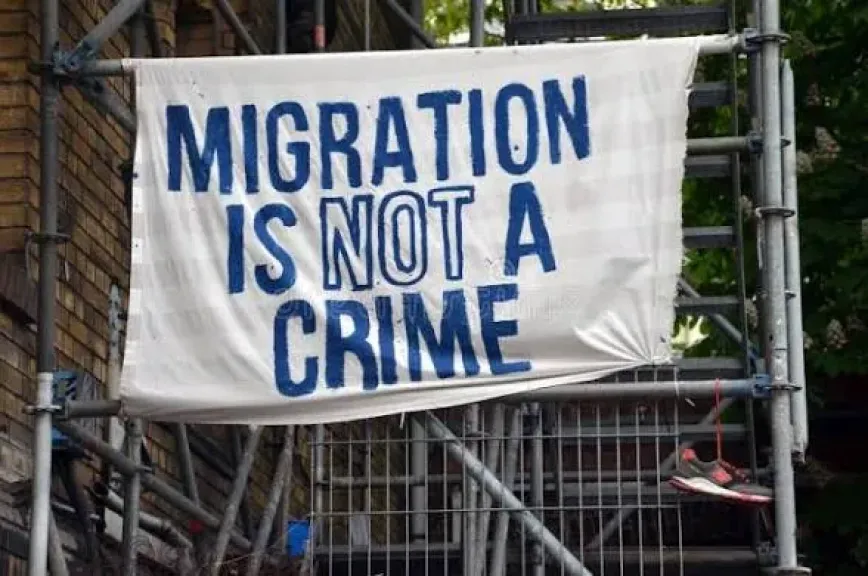
Debates over immigration policy are legitimate, longstanding, and unavoidable in any democracy. Reasonable people disagree about borders, enforcement, and who should be admitted. But a growing body of research points to a separate and often overlooked cost, one that has nothing to do with which policies a country ultimately chooses: the way immigration is talked about, particularly when that talk turns hostile and dehumanizing, exacts a measurable toll on mental health and on the social fabric that binds communities together.
The clearest evidence comes from studies tracking psychological distress among immigrant populations. A UCLA Center for Health Policy Research analysis found that as anti-immigrant sentiment intensified, serious psychological distress, meaning diagnosable conditions like depression and anxiety severe enough to warrant treatment, rose sharply. Among immigrants living in the United States fewer than five years, rates of such distress increased 140 percent, jumping from 5 percent in the 2015–2017 period to 12 percent in 2019–2021. Adult immigrants overall saw a 50 percent increase. Notably, the effect was buffered for those with permanent legal status and stronger English proficiency, suggesting that vulnerability and precariousness amplify the harm.
The damage extends beyond immigrants themselves to citizens who simply share their background. Research has documented that public discourse around immigration correlates with rising psychological distress even among U.S.-born individuals of Hispanic descent. One study found that when a Latino respondent worried that a family member might be deported, their odds of reporting poor mental health rose by roughly 60 percent. The anxiety, hyper-vigilance, and chronic fatigue that many describe are not signs of personal weakness; they are documented biological responses to a sustained hostile environment, the kind of stress that elevates cortisol and wears the body down over time.
What gives hostile rhetoric its particular sting is its capacity to legitimize discrimination. Researchers studying the effects of violent political language, defined as speech that dehumanizes a targeted group, have found that it can license mistreatment at both the interpersonal and institutional levels. In qualitative studies, immigrants describe internalizing the negative messaging, absorbing narratives that frame them as unwelcome or undeserving. One participant captured the corrosive effect simply, describing how having to "lie low" gradually "poisons me more and more."
The consequences ripple outward into public health and civic trust. Hostile rhetoric and the policies it fuels have been linked to immigrants avoiding healthcare and social programs they are legally entitled to use, shifting from preventive care to costlier emergency treatment. This erosion of trust does not stay neatly contained within immigrant communities; when a significant share of a population is afraid to seek medical care, the effects spill over into the broader public health system that serves everyone.
There is also evidence that the discourse reshapes the attitudes of the receiving society. Experimental research has found that negative media portrayals of immigrants can heighten in-group favoritism and intensify hostile emotional and physiological reactions toward outsiders. In other words, the rhetoric does not merely describe division; it actively manufactures it, hardening lines between "us" and "them" and reducing the everyday acts of trust and generosity that hold diverse communities together.
None of this is an argument that immigration concerns are illegitimate or that the topic should be off-limits. It is an argument about how the conversation is conducted. The research suggests a meaningful distinction between debating policy on its merits and trafficking in language that dehumanizes. The former is the necessary work of democracy; the latter leaves real psychological scars, undermines public health, and corrodes social cohesion. Recognizing that difference is not about silencing debate. It is about insisting that the debate be carried out in a way that does not quietly wound the very people it is about, and the broader society that absorbs the fallout.
This piece touches on mental health and distress; if any of it resonates personally, a licensed professional or community organization can offer real support.